Choosing the Right Pool Brush for Your Surface
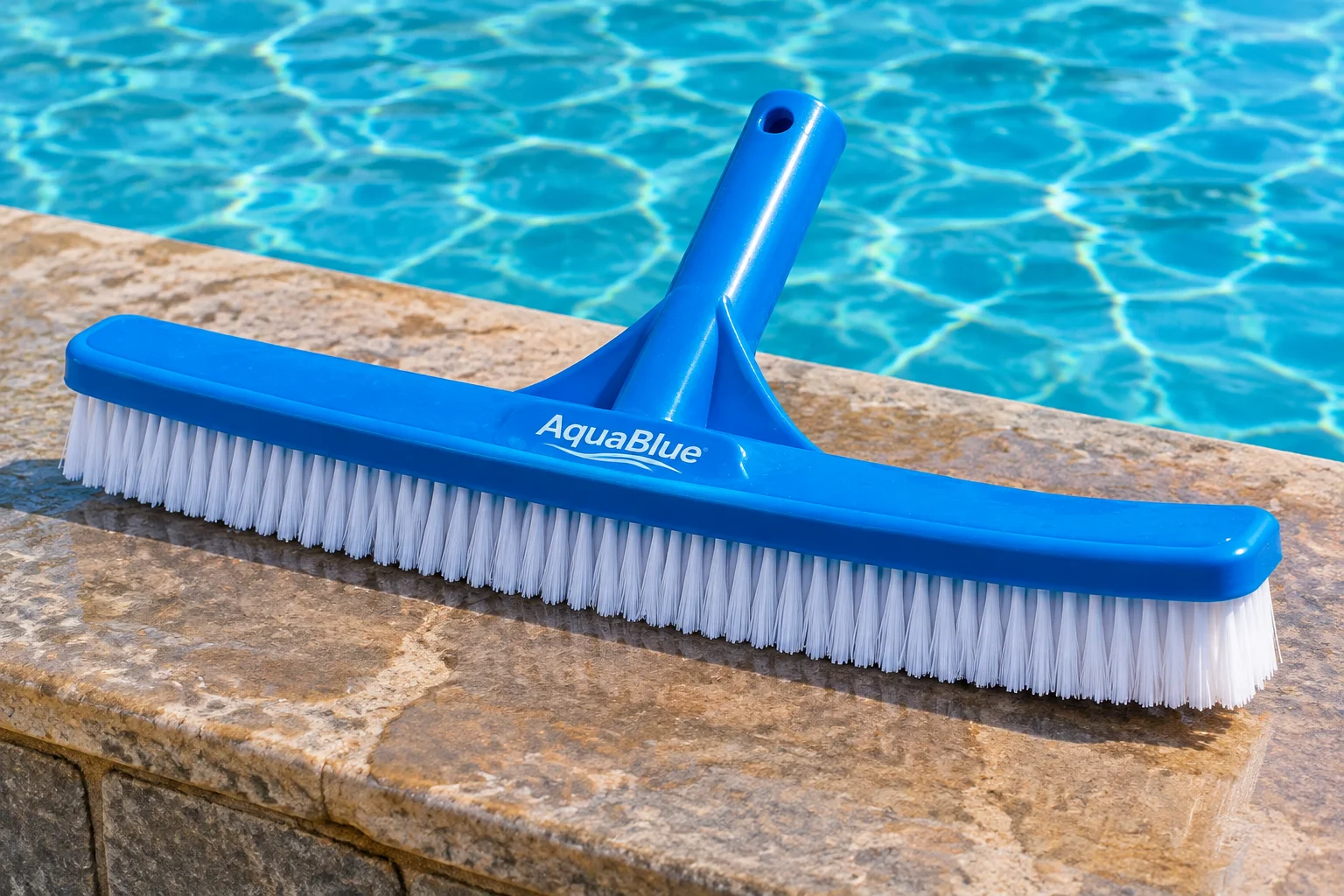
Keeping your pool sparkling clean requires more than just high-quality chemicals; it demands the right mechanical tools. One of the most critical, yet often overlooked, pieces of equipment is the pool brush. Choosing the incorrect brush for your specific pool surface can result in permanent scratches, accelerated wear, or simply inefficient cleaning.
Surface Safety
Protect your vinyl or plaster finish from unnecessary abrasions by using material-matched bristles.
Efficient Algae Removal
Dislodge stubborn algae and biofilm effectively, ensuring your sanitizers can do their job properly.
01Understanding Surface Materials
Before selecting a brush, you must identify your pool's finish. Plaster, gunite, and concrete pools are naturally porous and rugged, making them the most tolerant of stiffer, more abrasive brushes. Conversely, vinyl liners and fiberglass shells are significantly more delicate; they possess smooth, non-porous surfaces that can be easily scuffed or torn by harsh bristles.
Understanding this material difference is the cornerstone of responsible pool care. Using a stainless steel brush on a vinyl liner, for example, is a common error that can lead to expensive repair bills and premature liner failure.
02Selecting the Right Bristle Material
The primary consideration when choosing a brush is the material of the bristles themselves, which dictates the level of scrubbing power versus the risk of damage.
- Soft Nylon: Ideal for vinyl liners and fiberglass. They effectively move debris without damaging the smooth, delicate finish.
- Stiff Nylon: Best for textured plaster or concrete surfaces that require more agitation to remove algae and scale.
- Stainless Steel: Exclusively for gunite or concrete pools. Never use these on vinyl or fiberglass, as they will cause permanent damage.
Many professional cleaners opt for a blended brush, which combines soft and stiff nylon to balance cleaning efficiency with surface preservation, suitable for most residential pool types.
03Quick Comparison Table
Match your pool's finish with the recommended brush type to avoid maintenance mistakes.
| Pool Surface | Recommended Brush | Avoid |
|---|---|---|
| Vinyl Liner | Soft Nylon | Stainless Steel |
| Fiberglass | Soft Nylon | Stiff/Steel |
| Plaster/Gunite | Stiff Nylon/Stainless Steel | Soft Nylon (Ineffective) |
| Painted Concrete | Medium Nylon | Stainless Steel |
04Best Maintenance Practices
To maximize the lifespan of your brush, always rinse it with fresh water after each session and store it in a cool, shaded area away from direct sunlight. Sunlight can degrade plastic components and weaken nylon bristles over time, rendering the brush less effective.
Furthermore, inspect your brush regularly for damaged or missing bristles. A compromised brush is not only less effective at removing algae but can also leave behind debris that can clog your filter system, requiring more intensive maintenance later.
Need the Right Tools?
We offer a range of durable pool brushes for all surfaces. Shop our collection to get the best results.